
If you’re looking for practical ways to cut household expenses without sacrificing your quality of life, you’re in the right place. Rising costs, unpredictable markets, and everyday spending leaks make it harder than ever to stay ahead financially. Most advice online is either too generic to work or too extreme to sustain.
This article focuses on realistic, proven strategies that help you reduce monthly expenses, strengthen your financial foundation, and redirect freed-up cash toward savings, investing, or debt reduction. You’ll learn how to identify hidden spending drains, apply smart budgeting adjustments, and make strategic financial shifts that create long-term stability—not just short-term relief.
The insights shared here are grounded in established financial principles, portfolio strategy expertise, and practical tax-aware planning approaches. Every recommendation is designed to be actionable, sustainable, and aligned with real-world financial behavior—so you can lower expenses confidently and build lasting financial momentum.
Your Blueprint for Lowering Expenses and Accelerating Savings
By strategically managing your expenses, you can maintain your comfort while also making room for essential financial insights, such as understanding the implications of current interest rate trends on your savings and investments – for more details, check out our Interest Rate Trend Analysis: What It Means for Your Money.
Your income feels fixed, but bills and living costs keep rising, making it harder to save. “I do everything right, so why am I still behind?” a client once asked. Fair question. So, let’s reset the approach. This no-fluff guide shows you how to systematically identify, trim, and cut household expenses without wrecking your lifestyle. As one advisor told me, “Budgeting isn’t restriction; it’s alignment.” In other words, we’ll apply foundational finance principles and smart tactics experts rely on. Then, you’ll redirect every freed dollar straight into savings, deliberately and consistently monthly.
The Foundation: Where Is Your Money Actually Going?
Before you can cut household expenses, you need to see them—clearly. That’s why a 30-day spending audit is non‑negotiable. A spending audit simply means tracking every dollar that leaves your account for one full month. According to the U.S. Bureau of Labor Statistics, the average household spends thousands annually on non-essentials without realizing it. Visibility turns vague guilt into concrete data (and data doesn’t lie).
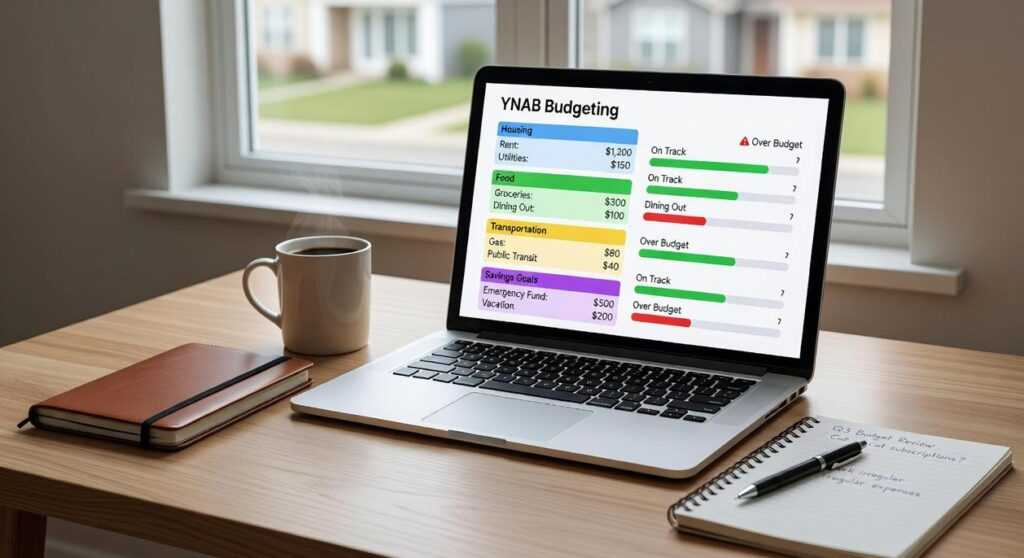
So how do you track effectively? First, a basic spreadsheet works well if you like control and customization. Budgeting apps such as Mint or YNAB automatically categorize transactions and generate reports—saving time while highlighting patterns. Alternatively, the envelope system—allocating physical cash into labeled envelopes—creates a hard stop when funds run out. Each method offers the same benefit: awareness that leads to better decisions.
Next, analyze your results. Look for financial leaks, or small recurring charges that quietly drain your budget—unused subscriptions, daily coffee runs, premium add-ons. Individually minor, collectively significant.
Finally, categorize expenses into Needs (rent, utilities), Wants (streaming services, dining out), and Wishes (future travel, luxury upgrades). This framework simplifies trade-offs. After all, it’s easier to trim a Want than jeopardize a Need (even if that third streaming service feels essential).
Housing Hacks
Housing is usually the biggest line item in any budget. According to the U.S. Bureau of Labor Statistics, housing accounts for roughly 33% of the average household’s spending. So first, shop your insurance annually. Home and auto premiums have risen sharply in recent years, but comparison shopping can save hundreds per year (Insurance Information Institute). Next, tackle energy leaks: LED bulbs use at least 75% less energy than incandescent lighting (U.S. Department of Energy), and simple weather stripping can reduce heating and cooling costs by up to 20%. Finally, negotiate rent renewals strategically—research comparable listings, highlight your on-time payments, and ask for a smaller increase (landlords prefer stability over vacancy).
Transportation Tweaks
Now let’s talk cars—the stealth budget killer. AAA estimates the average cost of owning and operating a new vehicle exceeds $10,000 per year. However, small changes add up. Proper tire inflation can improve gas mileage by up to 3% (U.S. Department of Energy), and smooth acceleration reduces fuel burn (think less “Fast & Furious,” more Sunday drive). In addition, compare insurance quotes every six months; insurers adjust risk models frequently. Even modest savings compound. When possible, blend in public transportation or carpooling days. Fewer miles mean less fuel, less maintenance, and slower depreciation—three costs quietly draining your wallet.
Food Savings Formula
Food spending feels flexible, yet the USDA reports average monthly grocery costs for a family of four can exceed $900. A weekly meal plan is your control center. Start with inventory—what’s already in your fridge?—then build meals around it. Next, shop with a list and check unit pricing (cost per ounce or pound) to spot real deals. Avoid shopping hungry (seriously, studies show it increases impulse buys). Finally, reduce food waste: the EPA estimates the average family throws away hundreds of dollars in food annually. Track spending with tools like budgeting apps compared features pros and cons to cut household expenses systematically.
Slaying the Silent Killers: Subscriptions and Recurring Bills

Subscriptions are the financial equivalent of slow leaks (quiet, persistent, expensive). To cut household expenses, start with a full Subscription Audit.
Step 1: List Every Recurring Charge
- Bank and credit card statements (last 90 days)
- App stores and digital wallets
- Annual renewals (software, insurance riders)
- “Free trials” that quietly converted
Most competitors stop there. Go further: calculate the annualized cost of each item. A $14.99 streaming service isn’t $15—it’s $179.88 a year. That reframing changes decisions fast.
The “Keep or Cut” Test
For each charge, ask:
- Have I used this in the last 30 days?
- Would I buy this again today at full price?
- Does it replace a higher expense—or duplicate one?
If it fails two answers, cancel it.
The Art of Negotiation
Cable, internet, and cell providers expect churn. Call and say:
“I’ve been a loyal customer, but I’m seeing competitors offer $X. What retention options can you provide?”
Silence works (seriously). If needed, ask for a supervisor. Retention departments have unpublished discounts.
Automate Savings: Make It Non-Negotiable
Flip the script. Treat savings like a bill. Set an automatic payday transfer to a separate account. When money never hits checking, it’s not tempting to spend (out of sight, out of swipe).
Everyday Wins: Small Lifestyle Shifts with Big Financial Impact
I remember the month I decided to cut household expenses after realizing I’d spent $140 on takeout coffee alone. That sting changed everything.
- Rethink Entertainment: My local library became a goldmine—free books, movies, even streaming apps (yes, really). Parks and community concerts replaced pricey nights out. Fun didn’t shrink; my spending did.
- Curb Impulse Buys: I use the 30-Day Rule for anything over $50. If I still want it later, it’s intentional—not emotional.
- The Power of DIY: Brewing coffee at home saved me roughly $1,200 a year. Small shift, big win.
You’ve done the hard part. You chose to cut household expenses and reclaim control of your cash flow. That breathing room in your budget isn’t luck; it’s leverage. When money feels tight, it’s like living in a house with the walls closing in. Strategic spending pushes those walls back.
Now, however, the real work begins. Saved dollars are seeds, not souvenirs. Leave them idle and they wither; plant them wisely and they grow. Give each dollar a job: fortify an emergency fund, crush high-interest debt, or launch an investment portfolio. In short, turn margin into momentum—and momentum into lasting wealth.
Take Control of Your Financial Shift Today
You came here looking for clarity—real strategies to stabilize your finances, strengthen your portfolio, and make smarter money decisions. Now you have the framework to do exactly that.
The pressure of rising costs, confusing investment choices, and constant tax changes can make it feel like you’re always one step behind. That stress adds up. When you don’t have a clear system, it’s easy to overspend, miss growth opportunities, or overlook compliance details that cost you later.
The good news? You now understand how to spot financial shift signals, apply foundational principles, optimize your portfolio, stay compliant, and cut household expenses without sacrificing quality of life. That’s how lasting financial control begins.
Now it’s time to act. Review your current budget, rebalance your portfolio with intention, and implement at least one tax-saving or cost-cutting strategy this week. Small, strategic moves compound quickly.
If you’re ready to eliminate guesswork and follow proven, practical financial strategies trusted by thousands of readers, start applying these insights today. The sooner you take action, the sooner you regain control of your money—and your peace of mind.