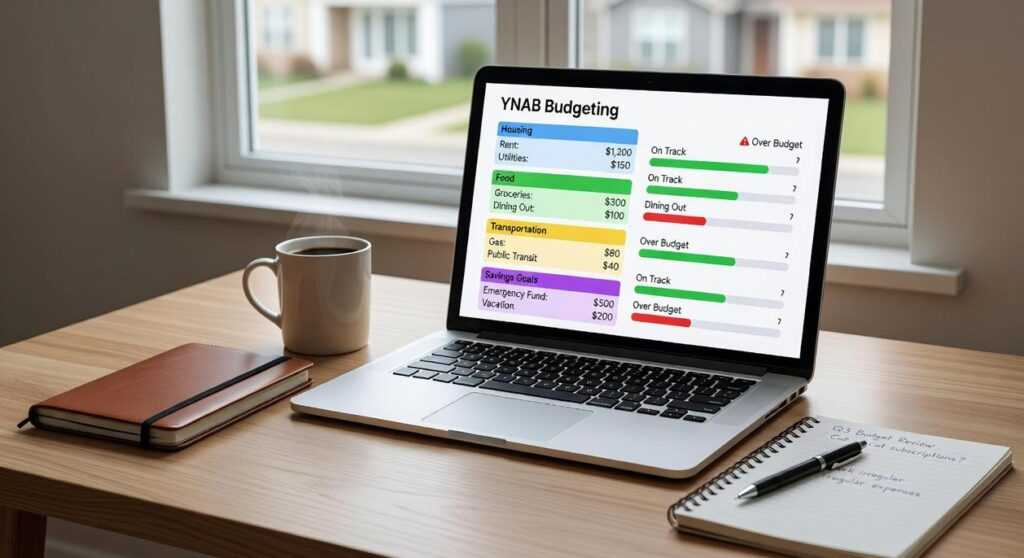

If you’ve ever started a budget full of motivation only to abandon it weeks later, you’re not alone. Traditional budgeting methods often feel restrictive, overly complicated, and disconnected from real life. That’s why they fail.
This guide takes a different approach. Instead of generic advice and rigid spreadsheets, you’ll discover a toolkit of modern, flexible strategies built to adapt to your lifestyle. These are foundational finance principles proven to create lasting financial shifts—not quick fixes.
By the end, you’ll have actionable steps and smart budgeting hacks that help you build an efficient budget, free up cash, and finally put your money to work for your goals.
The Foundation: Align Your Money with Your Goals
Here’s a contrarian take: budgeting isn’t restrictive — winging it is. When you don’t tell your money where to go, it quietly disappears (usually into takeout, subscriptions, and “just this once” purchases). A budget is not a cage. It’s a blueprint.
Most people treat budgeting like punishment. That mindset is the real problem. The shift? View it as a funding plan for the life you actually want. Intentional spending beats unconscious spending every time.
Next, define your why. A vague goal like “save more” fails because it has no emotional weight. “Pay off $15,000 in debt in 24 months” or “Save a 10% down payment by next summer” creates urgency. Specificity turns hope into math.
Now the non-negotiable rule: Pay Yourself First. Before rent, before streaming services, before brunch — money automatically moves to savings or investments. This isn’t optional. It’s priority positioning. (Think of it as putting Future You at the front of the line.) Research from behavioral economists shows automation dramatically increases savings rates because it removes decision fatigue.
Pro tip: automation beats willpower every time.
Action Step:
- Write down your top 3 financial goals.
- Calculate the monthly amount required for each.
- Automate those amounts immediately.
That’s not deprivation. That’s smart budgeting hacks in motion.
Choose Your Method: Find the Right System for Your Brain
Here’s my unpopular opinion: the best budget isn’t the most sophisticated one — it’s the one you’ll actually follow. Personal finance advice loves absolutes. I don’t. Your brain, habits, and tolerance for detail matter more than any “perfect” framework.
Some people thrive on structure. Others break out in hives when they see a spreadsheet (no judgment).
The 50/30/20 Rule
If you’re new to budgeting, this is the training wheels approach — and I mean that positively.
- 50% Needs (rent, utilities, groceries)
- 30% Wants (travel, dining, hobbies)
- 20% Savings & Debt Repayment
That’s it. Clean. Simple. Memorable. I like this method because it prevents overthinking. Critics argue it’s too broad and ignores income differences. Fair. But for beginners, simplicity beats perfection every time.
Zero-Based Budgeting
This one’s for the detail-oriented. Every dollar gets a job: spending, saving, investing, debt. The formula is straightforward: Income – Expenses = 0.
Nothing “floats.” That psychological clarity is powerful. You see leaks instantly. Opponents say it’s rigid and time-consuming — and they’re right. But if you love control, this method feels empowering (like color-coding your closet, but for money).
The Anti-Budget (Reverse Budgeting)
For the tracking-averse, this is freedom.
Automate savings first. Pay fixed bills. Spend the rest guilt-free.
That’s it.
This “Pay Yourself First” system works because automation removes willpower from the equation — one of the smartest smart budgeting hacks available. Some critics say it encourages overspending. I disagree. If your goals are funded first, flexibility becomes sustainable.
Choose the system that fits your wiring — not someone else’s.
Practical Hacks for Daily Efficiency and Consistency
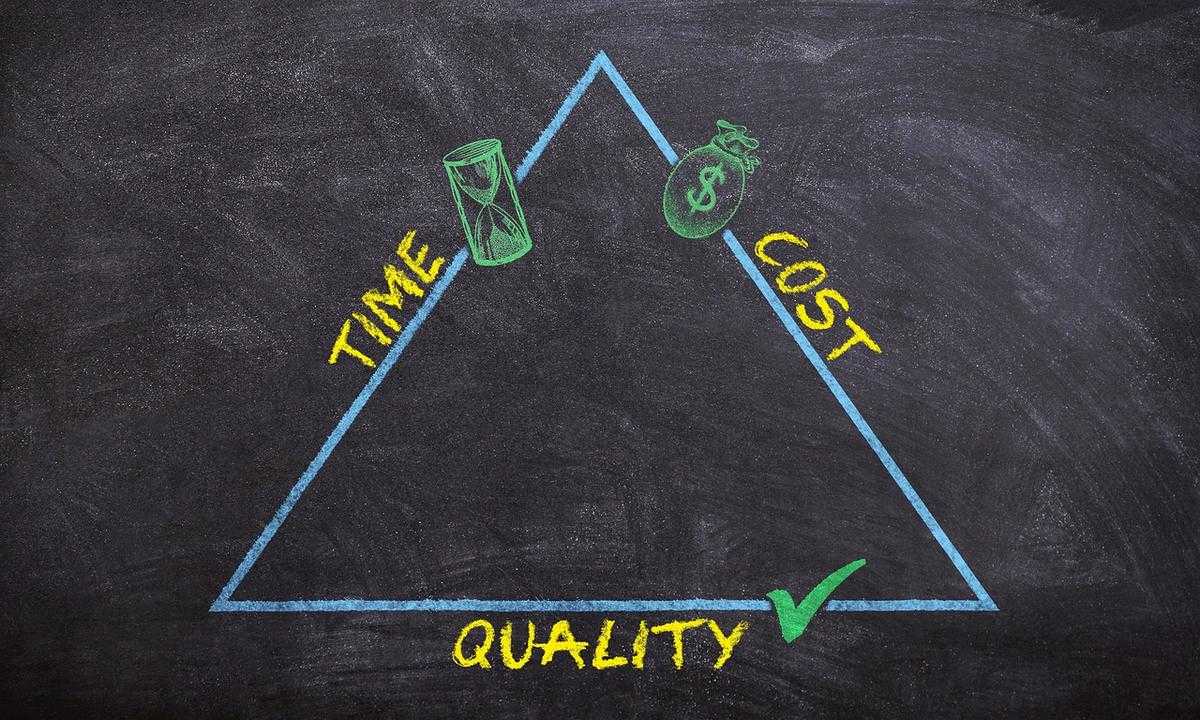
If adulting had a soundtrack, it’d be “Harder, Better, Faster, Stronger.” Efficiency isn’t about grinding nonstop; it’s about building systems that run in the background (like autopilot, but for your bank account).
Automate Everything
Automation removes willpower from the equation. Set up automatic transfers for savings, investments, and bill payments so decisions happen once—not every month. Behavioral economists call this decision fatigue—the mental drain from repeated choices (Baumeister et al., 1998). Fewer decisions, fewer slip-ups. Pro tip: schedule transfers the day after payday so you never “see” the extra cash.
Use Sinking Funds for Large Expenses
A sinking fund is money you set aside monthly for predictable, non-monthly costs like car insurance or holidays. Instead of scrambling in December, divide the annual cost by 12 and stash it away.
| Expense | Annual Cost | Monthly Set-Aside |
|---|---|---|
| Car Insurance | $1,200 |
$100 |
| Holiday Gifts | $600 | $50 |
| Subscriptions | $240 | $20 |
This approach pairs perfectly with smart budgeting hacks that prioritize planning over panic.
Implement a Spending Cool-Down Period
Impulse buys love urgency (“Limited time only!”). Create a 24–48 hour rule for non-essential purchases over $100. Research shows delaying gratification improves financial outcomes (Mischel, 1972). If you still want it later, great. If not, you just dodged a regret purchase (we’ve all had one).
Schedule Weekly “Money Minutes”
Take 15 minutes weekly to review transactions and adjust. Think of it as a season recap, not a dramatic finale. For a structured method, check out zero based budgeting explained a step by step guide.
Small systems. Big consistency. Like brushing your teeth—unsexy, but powerful.
Beyond the Basics: Integrating Your Budget with Your Financial Future
I used to treat budgeting and taxes as separate worlds. Big mistake. When April arrived, I scrambled for receipts and missed deductions for charitable donations and HSA contributions. An organized budget tracks tax-deductible expenses in real time, turning chaos into clarity.
The real goal, though, is cash flow. Every dollar not wasted can flow into investments and compound (yes, like a snowball rolling downhill).
- Review categories monthly.
Using smart budgeting hacks taught me this: budgeting isn’t restriction; it’s acceleration. Miss that link, and wealth building stalls over the long-term.
Your Path to Financial Control Starts Now
You started this journey feeling frustrated by a budget that never seemed to stick. Now, you have multiple proven strategies to move from financial uncertainty to real control. The difference is clear: these methods work because they rely on psychology, automation, and personalization—not harsh restriction.
You don’t need a complete financial overhaul overnight. Choose just one strategy—like “Pay Yourself First”—and implement it within the next 24 hours.
If you’re tired of starting over every month, it’s time for a smarter system. Our smart budgeting hacks are designed to make money management automatic and sustainable. Take action now and prove to yourself that this time, your budget will stick.