
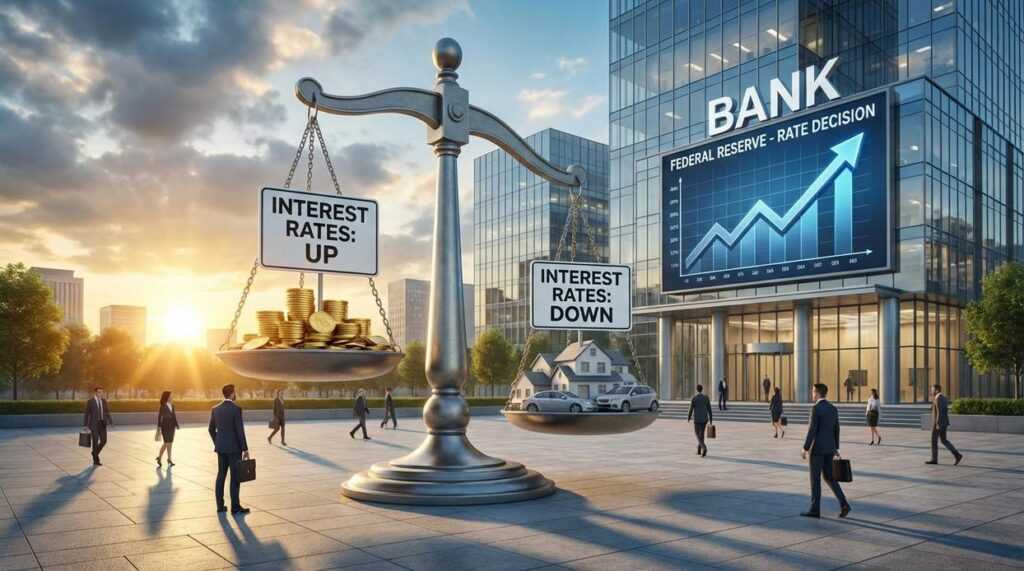
Interest rates are shifting again—and the ripple effects are hitting everything from mortgage payments to savings accounts and long-term investment returns. If you’re feeling uncertain about what to do next, you’re not alone. Volatile rate environments make it difficult to plan with confidence. This article delivers a clear, data-driven interest rate trend analysis, breaking down the economic forces driving recent fluctuations. You’ll learn not just what’s happening, but why it’s happening—and how to strategically position your finances in response. By cutting through speculation and headlines, we provide actionable insights you can use to make smarter borrowing, saving, and investing decisions.
The Core Drivers: Unpacking the Forces Behind Rate Shifts
Understanding how interest rate trends affect your savings and loans can significantly enhance your financial strategy, especially when combined with effective budgeting techniques outlined in our article ‘Budget Tips Cwbiancamarket.’
I remember sitting at my kitchen table in 2022, staring at my grocery receipt. The total had jumped nearly 20% from the year before. That was my real-world wake-up call about inflation—defined simply as the sustained rise in prices over time. When inflation lingers, central banks often respond by raising interest rates (the cost of borrowing money) to slow spending. Some critics argue rate hikes punish borrowers unfairly. That’s true in the short term. But without action, inflation can spiral, eroding savings and wages even faster (a slow leak that sinks the ship).
The global backdrop matters just as much. Supply chain bottlenecks, geopolitical tensions, and shifting growth forecasts ripple across borders. When overseas factories shut down, domestic prices climb. When energy markets wobble, transportation costs spike. Central banks must weigh these variables carefully, often relying on interest rate trend analysis to gauge whether shocks are temporary or systemic.
Then there’s the labor market. A tight labor market—where jobs are plentiful and workers scarce—pushes wages up. Higher wages are good news (who doesn’t want a raise?), but rapid growth can fuel inflation if businesses pass costs to consumers. Policymakers may raise rates to cool hiring and spending.
Monetary policy tools include:
- The federal funds rate: the benchmark rate influencing loans and credit cards
- Quantitative tightening: reducing central bank bond holdings to pull money from circulation
- Forward guidance: signaling future policy intentions to shape expectations
Some say markets should self-correct. History suggests otherwise. Timely intervention, while imperfect, often prevents deeper economic pain.
The Real-World Impact: What Rising Rates Mean for Your Money
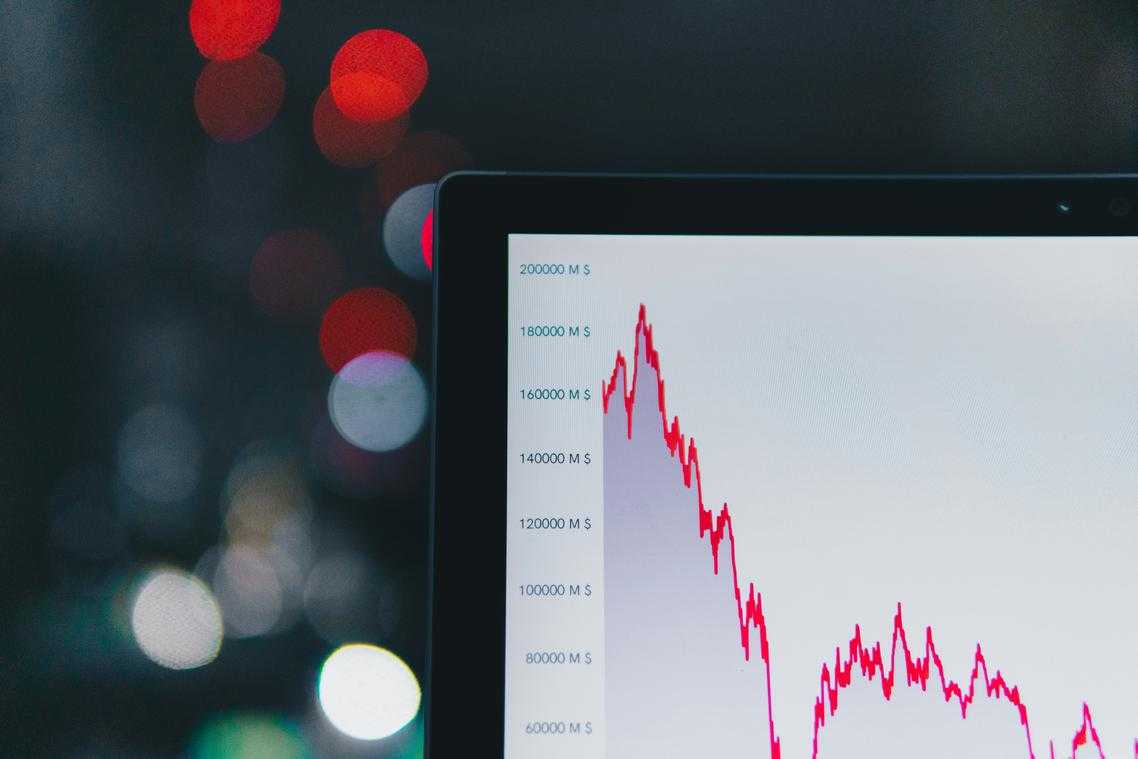
When interest rates rise, the effects don’t stay on Wall Street—they hit Main Street fast.
Mortgages & The Housing Market
Higher rates directly increase borrowing costs. A mortgage rate jump from 3% to 7% can add hundreds of dollars to a monthly payment on the same home. That reduces affordability, cools buyer demand, and often slows price growth. Some argue real estate is always a safe long-term bet. Historically, home prices do trend upward (Federal Reserve data shows long-term appreciation), but activity can stall sharply when financing tightens. Sellers wait. Buyers hesitate. Inventory builds. The market shifts from FOMO to FRUGALITY almost overnight.
The Cost of Debt
Variable-rate debt—loans with interest that fluctuates based on benchmark rates—becomes more expensive. Credit cards and HELOCs (Home Equity Lines of Credit) typically adjust quickly. The average U.S. credit card APR recently surpassed 20% (Federal Reserve), meaning balances compound faster than many expect. Some people shrug this off, assuming minimum payments are manageable. But compounding interest works like a villain in a superhero movie—it always returns stronger. PRO TIP: Prioritize paying down variable-rate debt first when rates climb.
A Silver Lining for Savers
Not all news is bad. High-yield savings accounts (HYSAs) and Certificates of Deposit (CDs)—time-bound deposit accounts offering fixed returns—benefit from rising rates. Savers can earn 4–5% yields in certain environments. That’s real, low-risk income.
Business Investment and Expansion
Higher borrowing costs also affect companies. Loans for expansion, hiring, and capital expenditures become pricier, slowing growth. While some argue strong firms adapt regardless, interest rate trend analysis shows sustained hikes typically dampen investment cycles. That ripple effect eventually reaches jobs, wages, and consumer spending.
Strategic Portfolio Adjustments for the Current Environment
Markets are shifting. So should your portfolio.
First, rethink fixed income. Short-duration bonds and Treasury bills (T-bills)—government debt securities that mature in a year or less—deserve serious consideration. Because they mature quickly, they’re less sensitive to rising rates (a measure called duration risk). When the Federal Reserve hiked rates in 2022–2023, long-term bond funds fell sharply, while T-bills held steadier (U.S. Treasury data). Recommendation: ladder short-term bonds to preserve flexibility.
Next, consider equity sector rotation. In high-rate environments, financials often benefit from wider lending margins, while consumer staples remain resilient because people still buy essentials. Meanwhile, growth-oriented tech—valued on future earnings—can face valuation pressure.
| Environment | More Resilient | Potential Headwinds |
|---|---|---|
| Rising Rates | Financials, Consumer Staples |
Growth Tech |
Also, don’t dismiss cash. Cash is liquidity—capital readily available for deployment. Rather than “lazy money,” think of it as dry powder (yes, boring can be powerful). It reduces volatility and positions you to act when valuations reset.
From a tax perspective, use tax-loss harvesting in bond portfolios to offset gains elsewhere (IRS guidelines permit capital loss offsets). Finally, pair these moves with disciplined interest rate trend analysis and stay informed about https://hanlerdos.com/global-liquidity-trends-and-their-impact-on-asset-prices/ to guide allocation timing.
Reading the Signals Before They Hit
Have you ever wondered why markets move before rate announcements? Central banks telegraph intentions through speeches and meeting minutes. Small wording shifts matter. When policymakers stress “persistent inflation,” they hint at hikes; when they say “data dependent,” caution creeps in.
Are you tracking CPI, jobs reports, and GDP each month? These numbers steer expectations. Strong employment and rising CPI often precede tightening, while slowing growth cools plans.
Then there’s the yield curve. When short-term yields exceed long-term ones—an inversion—investors anticipate recession. Ignoring interest rate trend analysis could leave you reacting instead of preparing early.
Building Financial Resilience in a Dynamic Rate Climate
You came here to gain clarity in a shifting financial environment—and now you have a practical framework for understanding the causes and effects of recent interest rate trends. That clarity matters.
The real risk isn’t rate volatility itself. It’s navigating markets without a clear strategy while rates move around you. Without disciplined interest rate trend analysis, your budget, savings, and investments can slowly drift off course.
The advantage goes to those who adjust early. By proactively refining your spending plan, strengthening your savings buffers, and realigning your portfolio, you protect what you’ve built and position yourself for growth.
Now is the time to review your financial plan. Identify weak spots, adjust strategically, and act with confidence before the next rate shift tests your stability.