If you’re searching for clarity on today’s shifting economic landscape, you’re likely trying to answer one critical question: are we heading toward a downturn—and what should you do about it? With markets fluctuating, inflation pressures lingering, and policy changes unfolding, recognizing recession warning signs early can make the difference between protecting your wealth and scrambling to recover losses.
This article breaks down the most important economic indicators to watch, explains how they connect to broader financial cycles, and outlines practical portfolio and budgeting adjustments you can make now. Instead of speculation, we rely on established financial principles, historical market data, and proven investment strategy frameworks used by seasoned market analysts.
By the end, you’ll understand which signals truly matter, how they impact your investments and cash flow, and what proactive steps can strengthen your financial position—no matter where the economy heads next.
Decoding the Economic Weather
Economic headlines are loud, but only a handful of indicators truly signal trouble. The most reliable recession warning signs include an inverted yield curve, rising unemployment claims, and tightening credit conditions. An inverted yield curve happens when short-term bonds pay more than long-term ones, often preceding downturns.
Watch unemployment claims weekly; consistent increases suggest businesses are cutting back. Pay attention to bank lending standards as well.
- Track trends monthly, not daily.
Focus on patterns, not panic. Align your budget and portfolio defensively when these signals cluster together. Act before markets force your hand financially and emotionally.
The Big Three: Classic Macroeconomic Warnings
When people talk about recession warning signs, they’re usually referring to three core signals. Understanding them can help you make smarter financial decisions before headlines turn alarming.
1. Gross Domestic Product (GDP) Contraction
Gross Domestic Product (GDP) measures the total value of goods and services produced in a country. In simple terms, it’s the economy’s report card. When GDP shrinks for two consecutive quarters, that meets the technical definition of a recession (National Bureau of Economic Research).
However, some argue that two quarters isn’t the full story—and they’re right. The NBER also considers income, employment, and production data. Still, slowing GDP growth often acts as an early signal. For example, if growth drops from 3% to 1% before turning negative, businesses may already be feeling strain. Watching the trend—not just the headline—gives you an edge.
2. Rising Unemployment Rate
Next, consider employment. When companies expect lower demand, they slow hiring or begin layoffs. Even small but steady increases in the unemployment rate can signal caution inside boardrooms (U.S. Bureau of Labor Statistics).
Some say unemployment is a “lagging indicator,” meaning it reacts after trouble starts. That’s partially true. Yet consistent upticks often confirm that businesses are bracing for weaker sales.
3. Declining Consumer Confidence
Finally, consumer sentiment matters. Surveys like the Consumer Confidence Index (CCI) measure how optimistic people feel about income and job prospects (The Conference Board). When confidence falls, households typically reduce spending. And since consumer spending drives roughly 70% of U.S. GDP (Bureau of Economic Analysis), that pullback can amplify downturn risks.
Taken together, these three indicators form a practical framework for spotting economic stress early.
Beyond the Headlines: Sophisticated Market Signals
Markets whisper before they scream. The trick is knowing which whispers matter.
The Inverted Yield Curve
Think of the yield curve as a timeline of trust. Normally, investors demand higher interest for locking money away longer—like asking for a bigger reward to lend your car for a year instead of a weekend. When short-term bonds pay more than long-term bonds, that timeline flips. This is called an inverted yield curve.
Why does it matter? Because investors are effectively saying, “I’d rather lock in lower returns for the long haul than risk the near future.” That fear-driven demand pushes long-term yields down. Historically, inversions have preceded nearly every U.S. recession in the past 50 years (Campbell Harvey, Duke University research). It’s one of the most reliable recession warning signs.
Manufacturing and Industrial Production Data
The ISM Manufacturing PMI acts like a factory heartbeat monitor. A reading above 50 means expansion; below 50 signals contraction. Manufacturing may not dominate GDP like it once did, but it’s still an early domino. When factories slow orders and cut shifts, suppliers, shippers, and retailers feel it next. (It’s the economic version of “winter is coming.”)
Housing Market Slowdown
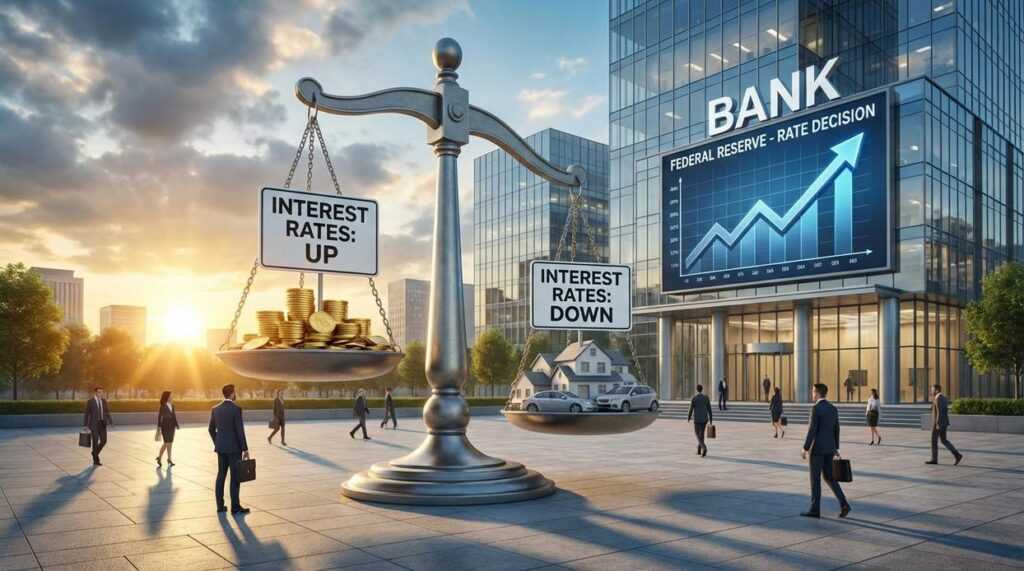
Housing is the economy’s foundation. Rising interest rates increase mortgage costs, shrinking affordability. Fewer qualified buyers means fewer housing starts, permits, and sales. Construction jobs dip. Furniture and appliance demand softens. The ripple spreads fast.
If you want deeper context, see interest rate trend analysis what it means for your money.
• Watch bond spreads
• Track PMI trends monthly
• Monitor housing permits for early cracks
When these signals align, it’s rarely random noise.
Real-World Indicators: What to Watch in Daily Life
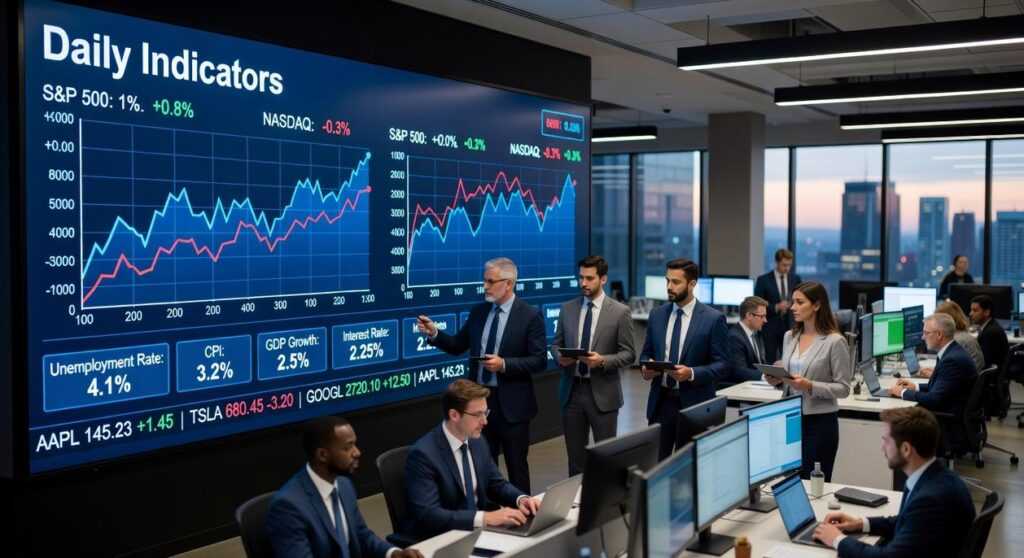
When headlines feel noisy, real-world data points often tell a clearer story. Let’s start with corporate earnings. During earnings season, analysts focus heavily on forward guidance—a company’s projection of future revenue and profits. Why? Because markets price in expectations. For example, in 2022, multiple S&P 500 firms lowered forward guidance amid rising inflation, and the index fell more than 19% that year (S&P Global). When several major companies revise forecasts downward at the same time, it’s one of the clearest recession warning signs investors monitor.
The “Dr. Copper” Indicator
Next, consider copper—often nicknamed “Dr. Copper” because it supposedly has a PhD in economics. Copper is used in construction, cars, electronics, and infrastructure. According to the U.S. Geological Survey, construction alone accounts for nearly half of global copper use. So when copper prices fall sharply, it often signals weakening industrial demand. In 2008, copper prices plunged more than 50% before and during the global financial crisis (World Bank data).
Finally, watch credit conditions. The Federal Reserve’s Senior Loan Officer Survey regularly shows that when banks tighten lending standards, business investment and consumer spending decline soon after. Less borrowing means slower growth—it’s that simple.
Translating Signals into Strategy: Your Financial Action Plan
When recession warning signs start flashing, the goal isn’t panic—it’s preparation. Here’s how to turn signals into smart moves.
1. Stress-Test Your Portfolio
Portfolio stress-testing means evaluating how your investments would perform during a downturn. Review your asset allocation (the percentage split between stocks, bonds, and cash). If you’re heavily weighted in highly cyclical stocks—companies that rise and fall with the economy, like travel or luxury retail—consider trimming exposure. Diversification (spreading investments across sectors and asset types) helps cushion volatility. For example, pairing growth stocks with defensive sectors like utilities can smooth returns. Pro tip: Rebalance at least annually to maintain your target allocation.
2. Build a Cash Buffer
An emergency fund covering 3–6 months of expenses provides flexibility. In 2020, investors with cash reserves were able to buy quality assets at discounted prices while others scrambled for liquidity. Cash isn’t flashy—but it’s powerful.
3. Tighten Budget and Tackle Debt
Audit recurring subscriptions and redirect savings toward high-interest variable-rate debt. Rising rates make these balances more expensive over time.
4. Optimize Taxes
Stay compliant and explore tax-loss harvesting—selling underperforming assets to offset gains and reduce taxable income. Every saved dollar compounds.
Take Control Before the Next Shift Hits
You started reading because you wanted clarity in uncertain financial times—and now you have it. You understand how market cycles work, what signals matter most, and how to position your money before volatility erodes your progress.
The biggest mistake investors make isn’t acting too late—it’s ignoring recession warning signs when they first appear. Economic contractions don’t arrive overnight. They leave clues. If you know what to watch and how to respond, you protect your portfolio instead of scrambling to recover it.
Now it’s time to act. Review your asset allocation. Stress-test your portfolio. Tighten your tax strategy. Strengthen your cash flow buffer. Small, strategic adjustments today can prevent major financial setbacks tomorrow.
If you’re serious about protecting your wealth and positioning yourself ahead of the next downturn, get expert-backed financial shift signals and portfolio strategies that cut through the noise. Thousands rely on proven frameworks to navigate uncertainty with confidence.
Don’t wait for the headlines to confirm what the markets already signaled. Take control now and make your next financial move your smartest one yet.