
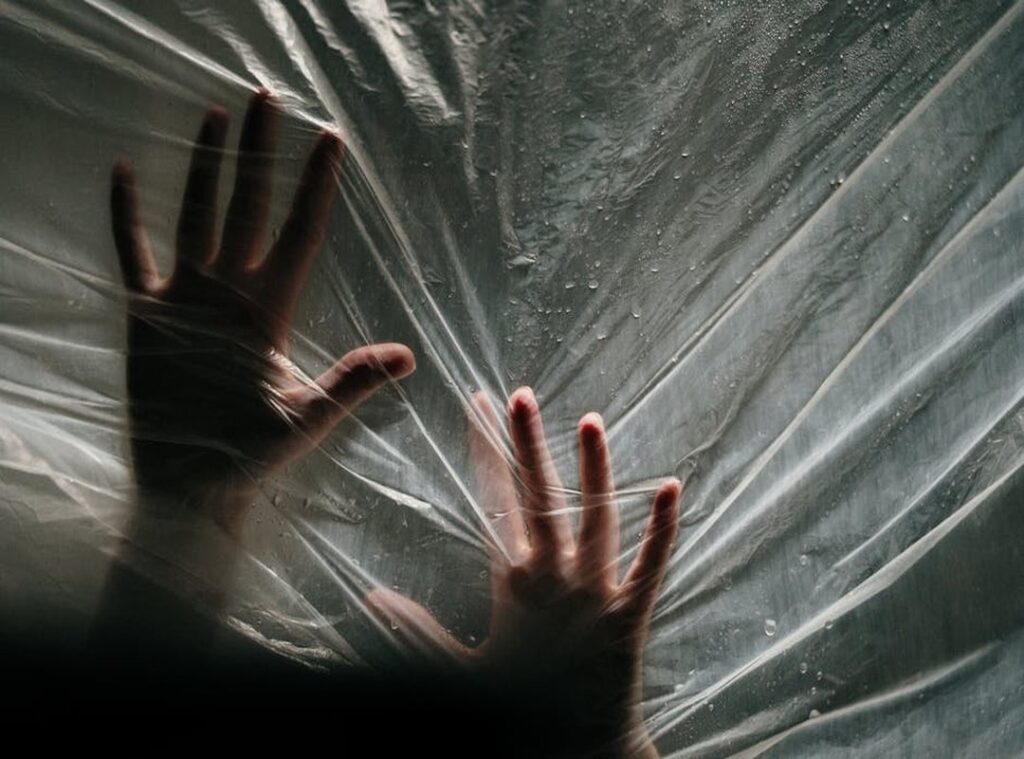
Art can be a powerful way to explore and understand anxiety. It’s not just about pretty pictures; it’s about feeling something, connecting with an emotion. gambar lukisan anxiety shows us how artists use their work to express this often misunderstood condition. You might wonder, why should you care?
Well, because seeing anxiety through art can help you relate to it in a new way. This article will give you a clear look at how different artists tackle this theme, using various styles and techniques. Trust me, by the end, you’ll have a deeper understanding of what anxiety looks like and feels like.
Understanding Anxiety in Art
Defining Anxiety: Anxiety is a feeling of unease, like worry or fear, that can be mild or severe. It often comes with physical symptoms like a racing heart or sweating.
Art as a Medium: Artists use visual and symbolic elements to convey the experience of anxiety. A gambar lukisan anxiety might show chaotic, swirling lines or dark, oppressive colors to capture the overwhelming nature of anxious feelings.
Psychological Impact: Art can help viewers empathize with and understand anxiety. When you see a painting that captures the turmoil of anxiety, it can make you feel less alone.
Recommendations:
- Visit art galleries and exhibitions. Look for works that explore themes of anxiety and mental health.
- Create your own art. Even if you’re not an artist, drawing or painting can be a therapeutic way to express what you’re feeling.
- Talk about it. Share your thoughts on the art with friends or family. Discussing these pieces can lead to deeper understanding and support.
Art has a unique way of connecting us. It can make invisible struggles visible and help us all feel a little more understood.
Visual Techniques in Depicting Anxiety
When it comes to depicting anxiety, color and tone play a huge role. Artists often use dark, muted palettes to create a sense of unease. Think about the last time you saw a painting with a lot of grays and blues.
It probably felt a bit off, right?
Composition and form are just as important. By using skewed angles and asymmetrical layouts, artists can make you feel disoriented. It’s like when you walk into a room and everything feels a little off-kilter.
That’s the feeling they’re trying to capture.
Symbols and metaphors add another layer. Chains, for example, can represent being trapped or restricted. Dark clouds might symbolize an impending storm or doom.
And fragmented forms? They show how anxiety can shatter our sense of self.
Gambar lukisan anxiety often uses these elements to hit home. You see the chains, the dark clouds, and the fragmented forms, and you immediately get a sense of what the artist is trying to convey.
Understanding these techniques can help you appreciate the depth of emotion in art. Next time you see a piece that makes you feel uneasy, take a closer look at the colors, composition, and symbols. You might be surprised by what you find.
Notable Artists and Their Works
Edvard Munch’s The Scream is a masterpiece that captures the essence of anxiety. The swirling, chaotic background and the figure’s anguished expression make it a timeless symbol.
Vincent van Gogh’s Starry Night is another iconic piece. Painted during his time at an asylum, it reflects his inner turmoil and mental health struggles. The swirling sky and vibrant colors show his emotional state.
Contemporary artists like Jenny Saville and Tracey Emin also explore anxiety in their work. Saville’s large-scale paintings of distorted figures and Emin’s confessional style both delve into personal and societal anxieties.
These artists use their platforms to express and process their feelings. It’s fascinating to see how art can be a therapeutic outlet and a way to connect with others who share similar experiences.
Looking ahead, I predict that more artists will continue to use their work as a means to explore and express anxiety. (This is just speculation, but it makes sense given the increasing awareness and discussions around mental health.)
The gambar lukisan anxiety in modern art is likely to become even more prominent. As society becomes more open about mental health, artists will find new and innovative ways to depict these emotions.
If you’re interested in learning more about how financial stress can impact mental health, read more about tax filing deadlines what individuals. Businesses must know .
Case Studies: Specific Artworks and Their Impact
Jenny Saville’s Propped is a powerful piece. It delves deep into the psychological distress of its subject. The raw, unfiltered portrayal makes you stop and think.
Tracey Emin’s My Bed is different. It’s an installation that reflects the artist’s personal experiences with anxiety and depression. The mess and chaos in the room tell a story all on their own.
How do these artworks impact viewers? Propped often leaves people feeling exposed and vulnerable. It’s a stark, intense experience.
My Bed, on the other hand, creates a sense of intimacy and shared struggle. You can almost feel the artist’s pain.
Both pieces have been received with a mix of awe and discomfort. They challenge the way we see and understand mental health. Propped pushes boundaries, while My Bed invites empathy through relatability.
These artworks have a unique way of making us confront our own emotions. They force us to look at gambar lukisan anxiety and not just pass by. In doing so, they’ve opened up conversations about mental health and human vulnerability.
The Power of Art in Understanding Anxiety
Artists use various techniques to depict the complex emotions and experiences associated with anxiety. gambar lukisan anxiety often captures the internal turmoil. External manifestations of this condition, making it relatable to viewers. These artworks can range from abstract representations to more literal depictions, each offering a unique perspective on the subject.
Art plays a crucial role in fostering empathy and understanding for those experiencing anxiety. By visualizing the invisible struggles, artists help bridge the gap between those who suffer. Those who may not fully comprehend the depth of such feelings.
Engage with more artworks and join the broader conversation around mental health and art. Exploring these creative expressions can provide both comfort and insight, enhancing our collective ability to support and understand one another.