
Money is moving differently right now—and if you’re not paying attention to the shifts, you’re likely feeling it in your budget, your investments, or your long-term plans.
You’re here because you want clarity. Not vague advice. Not recycled tips. You want to understand where financial momentum is heading, how to protect what you’ve built, and how to position yourself to grow in a changing economy.
This article breaks down the latest financial shift signals, explains the core financial principles that still hold strong in volatile markets, and outlines practical portfolio strategies, tax-aware tactics, and smarter budgeting approaches you can apply immediately. Whether you’re refining an investment strategy or rebuilding your financial foundation, you’ll find actionable insights designed for real-world results.
The guidance here is grounded in tested financial frameworks, data-backed market analysis, and proven wealth-building strategies used by disciplined investors. No hype. No speculation. Just structured, strategic direction to help you make confident financial decisions in any market environment.
Decoding the Market’s Next Move
Markets can turn overnight, leaving investors feeling blindsided. That fear is real. But the truth is shifts rarely arrive unannounced.
The challenge is not clairvoyance; it is spotting subtle signals hiding in plain sight. It is reactive panic versus proactive pattern recognition.
A vs B: chasing headlines versus tracking data.
- Macroeconomic trends like inflation and rates.
- Industry rotations in capital flows.
- Behavioral extremes in sentiment surveys.
These are financial shift signals that precede major turns. Read them correctly, and you move from anxiety to informed action. Awareness beats prediction every single time. In volatile markets.
The Big Picture: Key Macroeconomic Signals to Watch
First, let’s talk about interest rates. In my view, they’re the master dial of the economy. When central banks raise rates, borrowing becomes more expensive, which cools corporate expansion, real estate demand, and even stock valuations. When they cut rates, it’s usually a green light for lending and risk-taking. Some argue rates don’t matter as much in a globalized world awash in liquidity. I disagree. History shows rate-hiking cycles often precede market slowdowns (Federal Reserve data), and pretending otherwise feels like ignoring a flashing dashboard warning.
Next, inflation and the Consumer Price Index (CPI). CPI measures the average change in prices consumers pay for goods and services. If CPI rises persistently, purchasing power erodes, and central banks may tighten policy to contain it. On the other hand, deflation—falling prices—can signal weak demand and economic contraction. While some investors shrug off a single hot CPI print, I think consistent upward surprises are clear financial shift signals that policy may soon change.
Then there’s GDP and employment data. Gross Domestic Product reflects total economic output. Slowing GDP growth combined with rising unemployment has historically foreshadowed recessions (Bureau of Economic Analysis). Critics say GDP is backward-looking—and they’re right—but trends still matter. If businesses are producing less and hiring less, optimism alone won’t reverse it.
Finally, the yield curve. Normally, long-term bonds yield more than short-term ones. When that flips—an inversion—it has preceded every U.S. recession since 1955 (Federal Reserve Bank of St. Louis). It’s not magic, but I treat it as a serious warning sign.
Beyond the Headlines: Crucial Microeconomic & Sector-Specific Clues
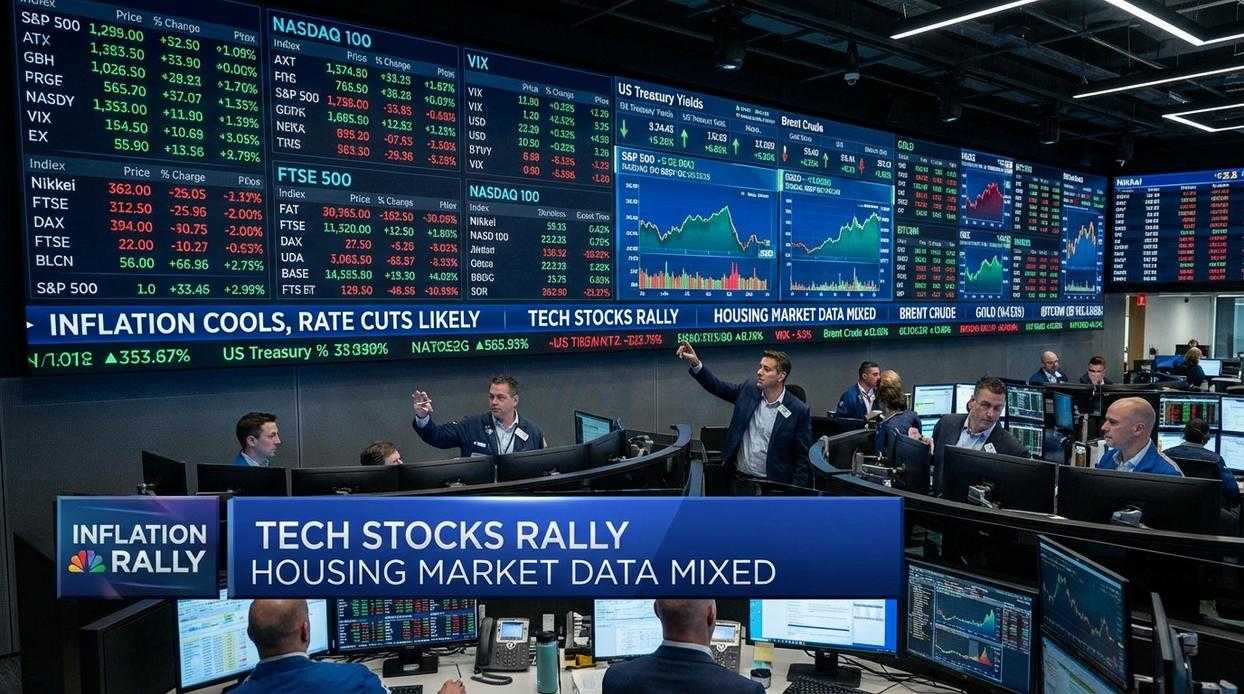
Macroeconomic headlines are like weather reports. Useful, yes—but if you want to know whether your house will flood, you check the ground around you. That’s where micro signals come in.
Corporate Earnings and Forward Guidance
The economy is simply a collection of individual businesses. Earnings reports tell you how those businesses actually performed. But the real gold is forward guidance—management’s forecast for upcoming quarters. Think of it as a captain’s log about rough waters ahead. If multiple CEOs warn about shrinking margins or weaker demand, that’s more than coincidence; it’s a pattern. Some argue executives are overly cautious to “beat expectations” later. Fair point. But when cautious guidance clusters across sectors, it often foreshadows broader slowdowns (history backs this up—see S&P earnings trends before the 2008 recession, per FactSet).
Credit Spreads
A credit spread is the yield difference between corporate bonds and U.S. Treasuries. Imagine lending money to your reliable friend versus your unpredictable cousin—the riskier borrower requires a higher return. When spreads widen, lenders demand more compensation for risk. That widening has frequently preceded financial stress (Federal Reserve data confirms this pattern).
Supply Chain and Inventory Levels
The Purchasing Managers’ Index (PMI) surveys business activity. A falling PMI or rising inventories suggests goods are piling up like unsold holiday sweaters in January. Excess inventory often signals weakening demand.
Sector Rotation
Investors shift capital between cyclical sectors (tech, industrials) and defensive ones (utilities, healthcare). A move toward defensive stocks is like switching from a sports car to a minivan—less thrilling, more protective. Critics say rotation can reflect short-term strategy, not fear. True. But sustained defensive flows are classic financial shift signals.
For deeper context, review how to read economic indicators before a major market move. Pro tip: watch clusters, not isolated signals.
I remember sitting at my desk in March 2020, watching the Volatility Index spike past levels I’d only seen in textbooks. The VIX—often called the market’s “fear gauge”—measures expected volatility in the S&P 500. When it’s high, investors anticipate sharp swings and uncertainty. When it’s unusually low, it can signal complacency (the calm before the storm). Extremes matter more than averages.
Then there’s the Put/Call Ratio. This metric compares bearish bets (puts) to bullish bets (calls) in the options market. A rising ratio means more investors are positioning for declines, reflecting growing pessimism. But here’s the twist: extreme pessimism can mark bottoms. It’s the classic horror-movie moment when everyone runs—sometimes that’s when the danger has already peaked.
Investor surveys and fund flows add another layer. Tools like the AAII Investor Sentiment Survey capture how individuals feel, while fund flow data shows where money is actually moving. When cash floods into equities after a long rally, greed may be peaking. When money piles into cash, fear may be dominant.
I use these as financial shift signals—not predictions, but temperature checks. Crowd psychology drives markets. The key is reading the room without getting swept up in it.
When markets send new cues, investors often feel unsure what to do next. Start with a portfolio review: compare your current allocation (the mix of stocks, bonds, and cash) to your target allocation, or planned balance. If one asset has surged, rebalancing means trimming it and adding to laggards to restore discipline. Next, revisit your budget and build cash reserves—liquid savings you can access quickly—for stability and opportunity. Finally, check tax efficiency. Tax-loss harvesting, selling investments at a loss to offset gains, can reduce liabilities during financial shift signals. These steps turn signals into structured, confident financial action today wisely.
Building Your Compass for a Changing Financial World
Markets shift faster than headlines can explain. Instead of guessing, build a three-layer system.
First, track one macroeconomic indicator—like inflation or central bank rates. Write down how it affects your loans, savings, and stocks.
Second, review a microeconomic signal: quarterly earnings from a company you own. Are revenues growing or shrinking?
Third, observe behavior. Are investors euphoric or fearful? (When everyone feels like a genius, caution helps.)
Use financial shift signals to connect these dots.
ACTION PLAN:
• Pick ONE indicator per layer this week.
• Log insights Friday.
Preparation beats prediction.
As you explore the seven early financial shift signals that indicate a much-anticipated market cycle change, it’s also essential to grasp concepts such as the time value of money, which can shape your investment strategies during these pivotal transitions – for more details, check out our Understanding the Time Value of Money with Real Examples.
Take Control of Your Financial Direction Today
You came here looking for clarity—real guidance you can use to navigate uncertainty, strengthen your strategy, and make smarter money decisions. Now you have a clearer understanding of how to read financial shift signals, apply foundational finance principles, optimize your portfolio, stay tax compliant, and tighten your budgeting strategy.
The truth is, most people struggle financially not because they lack ambition—but because they lack direction. Markets shift. Tax laws evolve. Expenses creep up. And without a structured plan, it’s easy to fall behind.
You don’t have to.
The next step is simple: apply what you’ve learned. Start reviewing your portfolio allocations. Identify gaps in your tax strategy. Adjust your monthly budget to align with long-term goals. And most importantly, begin actively tracking financial shift signals so you can act before opportunities pass or risks grow.
Thousands of individuals are already using proven financial frameworks to protect and grow their wealth. You can do the same.
Take action now—refine your strategy, strengthen your financial foundation, and move forward with confidence. Your future results depend on the decisions you make today.